Posts

Hunting for APT Abuse of Exchange
Image
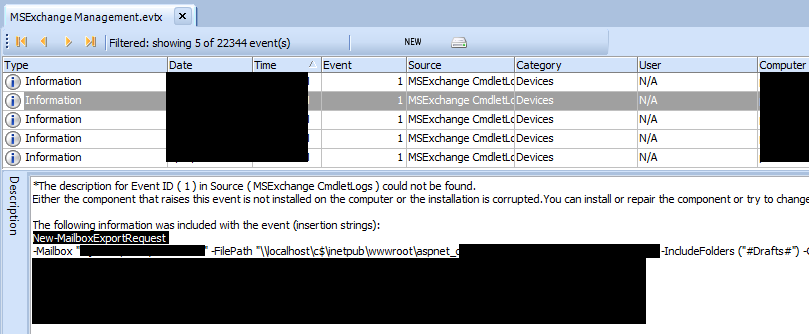
  APT abuse of Exchange is not a new topic, but I noticed there weren’t enough write-ups of hunting methodologies, so I decided to write one based on the various attack techniques I’ve seen various APTs use over the last 2 years. This is not a comprehensive guide as there honestly is WAY too much for me to write and cover (I don’t have enough time T_T but will add to this post over time). I’m going to show you specifically some key areas you can focus on when hunting for malicious behaviour. This guide will not cover the entire attack map of what happens in an APT case where Exchange is abused, it will only cover key areas to hunt on Exchange.    Over the course of the last few years there has been a heavy abuse of legacy authentication from APT groups from various nations, with a strong focus especially on EWS and other legacy auth methods as their preferred method of access. If there is a business need for legacy authentication… (aka you still have legacy authentication...

Heap Overflows on iOS ARM64: Heap Spraying, Use-After-Free (Part 3)

Image
Welcome back to part 3 of my iOS arm64 exploitation series!  If you’ve missed the blogs in the series, check them out below ^_^ Part 1: How to Reverse Engineer and Patch an iOS Application for Beginners Part 2: Guide to Reversing and Exploiting iOS binaries: ARM64 ROP Chains Part 3: Heap Overflows on iOS ARM64: Heap Spraying, Use-After-Free  If you’re more of a visual learner – I have filmed a YouTube video on this that you can check out! The YouTube video does not go into the same level of depth as this blog post will, so just keep that in mind. INTRODUCTION We’ve gone through iOS hooking, buffer overflows and simple ROP chains on ARM64. Now it’s time to talk about heap overflows and exploiting use-after-free (UAF) bugs. The goal of this blog is to show you how a UAF bug can be exploited and turned into something “malicious”. I will be walking you through step-by-step the following things: How to identify a UAF bug How to statically analyse the binary to figure out how to per...

Detecting Linux Anti-Forensics Log Tampering

Image
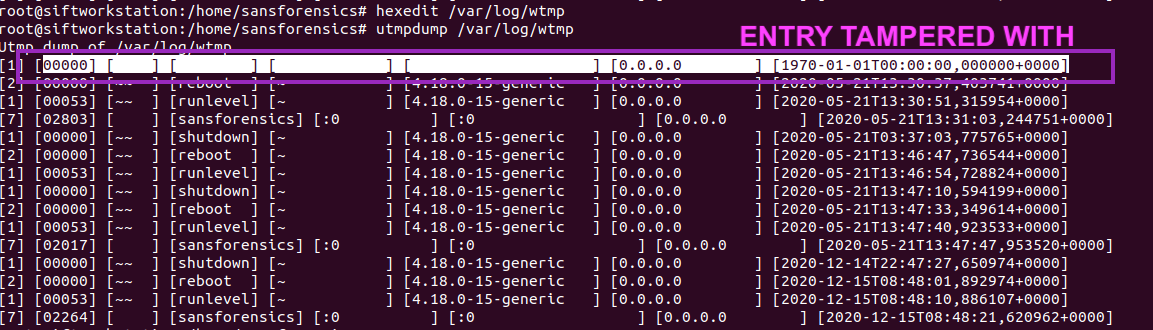
  When forensically examining Linux systems for malicious intrusion, responders often rely on the following three artefacts to determine logins and logouts: /var/run/utmp – currently logged in users /var/run/wtmp – current, past logins and system reboot  /var/log/btmp – bad login attempts  Of course, these artefacts are not all you can forensically investigate for malicious access (there are other artefacts you can examine), however, these will be the focus of this anti-forensics blog post.  In this post, I will walk through two methods of removing and tampering with these aretfacts to delete the malicious logins you want to hide. The first method removes the log line completely from the file through overwriting the binary file, the second method focuses on altering the hex of the file but is more obvious to detect. I will then walk through a simple way of detecting both methods based on timestamps that you can check. If timestamps are king – then I’ll be his queen! ...